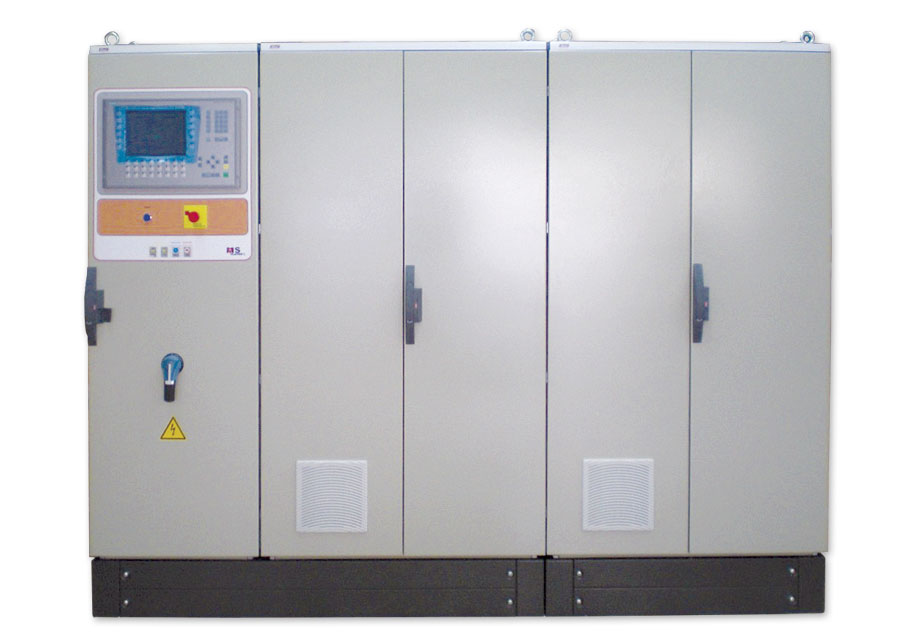
Filter Press Control Room with PLC
Ehya Sepahan Iron Ore Mines Company
To enhance the performance of its processing lines and improve precision and safety in industrial operations, Ehya Sepahan Iron Ore Mines Company has designed and implemented the Filter Press Control Room Project equipped with a Programmable Logic Controller (PLC). This initiative aims to automate control processes, boost productivity, reduce human error, and elevate personnel safety across production lines.
Project Implementation Phases
1. Control Room Design and Requirement Definition
The first phase involved identifying the technical and operational requirements of the control room. These included control mechanisms for the filter press, monitoring of performance parameters, equipment safety, and integration with existing plant systems.
2. PLC Selection and Programming
Based on the defined requirements, a suitable PLC was selected to enable automated control of the filter press. The technical team programmed the PLC with precise control logic and protective algorithms to ensure high-accuracy filtration and uninterrupted operation.
3. Equipment Installation and Wiring
Control equipment—including PLC units, sensors, actuators, and control panels—was installed, and all necessary wiring was completed. This phase was executed in accordance with safety standards and engineering schematics to ensure stable and secure system performance.
4. Testing and Pilot Launch
Following installation, the system underwent quality control and performance testing. Trial runs allowed the technical team to finalize configurations, implement necessary adjustments, and train operational staff.
5. Integration with Plant Systems
The new control room was integrated with existing plant systems, including monitoring platforms and SCADA systems, enabling real-time access to filter press performance data for managers and operators.
Project Outcomes
The implementation of the PLC-equipped Filter Press Control Room has delivered several key benefits to Ehya Sepahan Iron Ore Mines Company:
- Increased accuracy and stability in the filtration process
- Reduced human error and unexpected downtime
- Enhanced safety for personnel and equipment
- Real-time monitoring and operational data collection
- Optimized production time and energy consumption


